
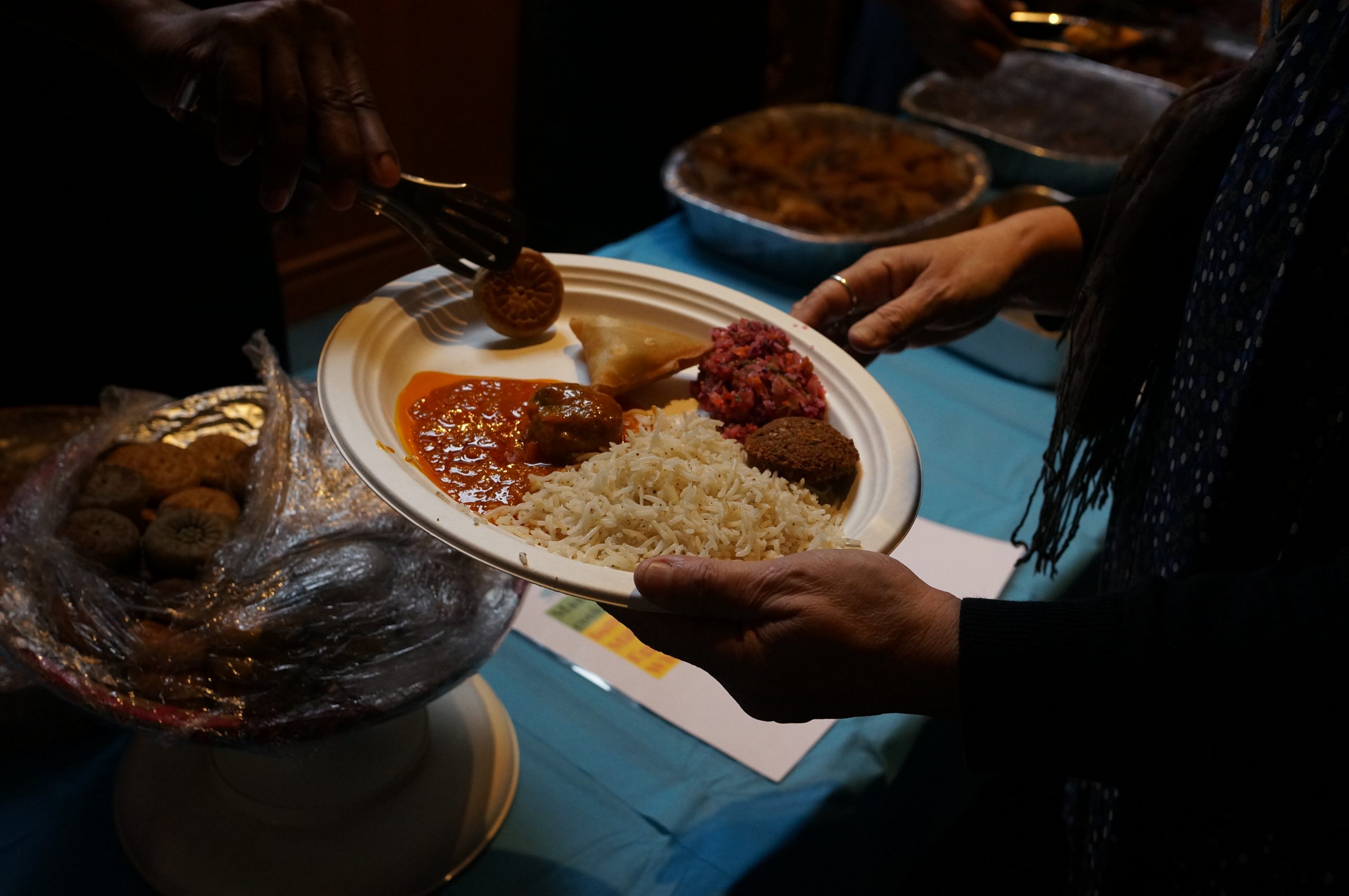
Falafel
 Origin: Middle East (most likely Egypt)
Estimated period: Around 1,000 years ago or earlier
Falafel is widely believed to have originated in Egypt, where it is called Ta’ameya. Egyptian Coptic Christians may have created it as a meat substitute during fasting periods. The original Egyptian version was made with fava beans, not chickpeas.
As trade and travel spread across the Middle East, other countries like Lebanon, Syria, and Palestine adapted it using chickpeas. Today, falafel is one of the most famous street foods in the Arab world.
Samosas
 Origin: Central Asia / Middle East
Estimated period: Before the 10th century
Samosas began as a dish called “Sambosa” in Persia (modern-day Iran). Historical texts from the 10th century mention small pastries filled with meat.
Traders carried them along trade routes into East Africa and South Asia. In Africa and India, the fillings changed to include vegetables, lentils, and spiced meats.
They became popular because they were portable, affordable, and perfect for gatherings
Kofta
Origin: Persia (Iran)
Estimated period: Medieval period
The word “kofta” comes from the Persian word “koftan,” meaning “to grind.” Kofta refers to ground meat mixed with spices and shaped into balls or skewers.
As the Persian Empire expanded, the recipe spread across the Middle East, North Africa, Turkey, and South Asia. Each region created its own variation.
Curry (Vegetable / Chicken)
Origin: Indian Subcontinent
Estimated period: Over 4,000 years old
Archaeological evidence shows spice-based stews were cooked in the Indus Valley civilisation (around 2000 BCE).
The word “curry” was later used by the British during colonial times. African curries developed through Indian migration to East Africa and trade connections across the Indian Ocean.
That is why African curries often blend Indian spices with local ingredients.
Crispy Chicken
Origin: Multiple origins (Scotland & West Africa influence modern fried chicken)
Fried chicken in its modern form developed in the United States, influenced by:
- Scottish frying techniques
- West African seasoning traditions
Crispy chicken became globally popular in the 20th century and is now adapted worldwide with local spices.
Green Salad
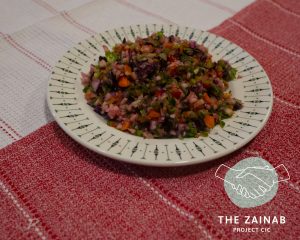 Fresh vegetable salads date back to Ancient Rome and Greece, where raw greens were dressed with oil, vinegar, and salt.
Olive oil-based salads are deeply rooted in Mediterranean and Middle Eastern cuisine.
Pasta with Chicken
Origin of pasta: Ancient China & later Italy
Pasta as we know it became central to Italian cuisine by the Middle Ages.
Chicken pasta dishes developed later as global trade introduced new ingredients like tomatoes (from the Americas).
Noodles with Chicken
Origin: China
Estimated period: over 4,000 years ago)
The oldest noodles were discovered in China, dating back 4,000 years. From there, noodles spread across Asia and eventually worldwide via trade routes like the Silk Road.
Hummus
 Origin: Levant region (Lebanon, Palestine, Syria, Jordan)
Estimated period: 13th century
The earliest written recipes for hummus appear in 13th-century Arabic cookbooks from Cairo.
Chickpeas have been eaten in the Middle East for thousands of years. Hummus became a symbol of Levantine cuisine and hospitality.
Aubergine Dip (Baba Ganoush)
Origin: Levant / Eastern Mediterranean
Aubergines were brought from India to the Middle East around the 7th–8th century.
Baba Ganoush likely developed in the Levant region and became popular throughout Syria, Lebanon, and Palestine.
Beetroot Dip
Beetroot has been cultivated since Ancient Roman times. Modern beetroot dips are more contemporary adaptations inspired by traditional mezze culture.
Cucumber with Yogurt (Tzatziki / Mast / Laban Salad)
Origin: Persia & Eastern Mediterranean
Yogurt-based cucumber salads date back thousands of years in Persia. The dish spread across Turkey, Greece, and the Arab world, each culture creating its own version.
Maamoul
Origin: Ancient Mesopotamia
Archaeologists found moulds used to shape date-filled pastries in ancient Middle Eastern ruins. Maamoul has been prepared for religious celebrations for centuries, especially during Eid and Easter.
Baklava
Origin: Ottoman Empire (Turkey)
Layered pastry desserts existed earlier, but baklava as we know it was perfected in the Ottoman imperial kitchens in the 15th century.
It spread across the Middle East, Balkans, and North Africa.
Basbousa
Origin: Egypt
Basbousa is believed to have developed in Egypt during the Ottoman period. Similar semolina cakes exist across the Middle East under different names.
Om Ali
Origin: Egypt
Estimated period: 13th century
Om Ali means “Mother of Ali.” According to Egyptian legend, it was created to celebrate a political victory in the Mamluk era. It became Egypt’s most famous traditional dessert.
Luqaimat (Luqmat al-Qadi)
 Origin: Medieval Middle East
Recipes for these fried sweet dumplings appear in 13th-century Arabic cookbooks. They were popular during celebrations and Ramadan nights.